Online Communication with the Editorial Department Reviewer LoginCollecting, editing, reviewing and other affairs offices
Managing manuscripts
Managing author information and external review Expert Information Editor LoginOnline Review
Online Communication with the Editorial Department Old-Author LoginSubmission
Tracking the information about your manuscript
Communicate with the editorial office
Query manuscript payment status Old-Reviewer LoginCollecting, editing, reviewing and other affairs offices
Managing manuscripts
Managing author information and external review Expert Information Old-Editor LoginOnline Review
Online Communication with the Editorial Department
Download
Total Visitors
About Journal

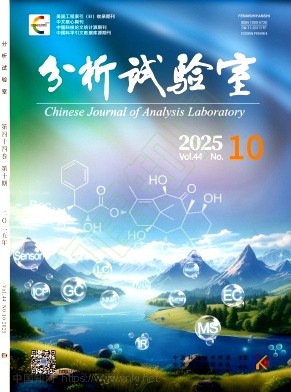
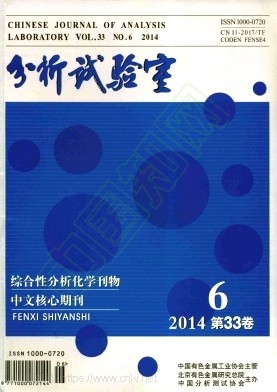
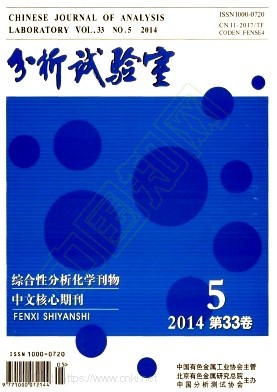
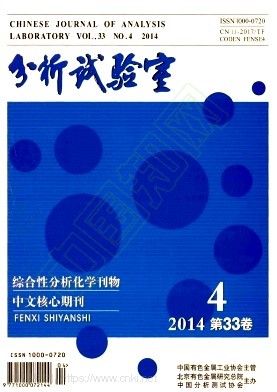
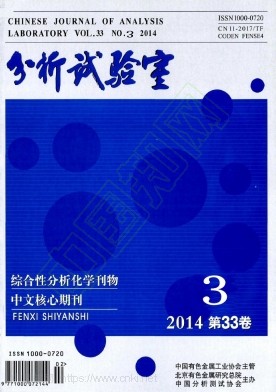
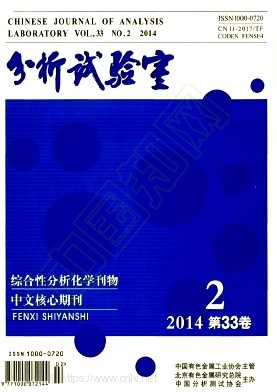
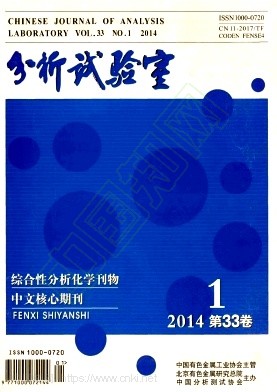
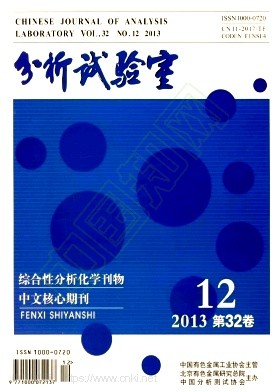
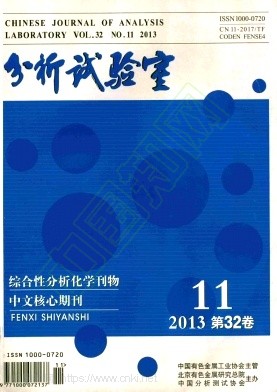
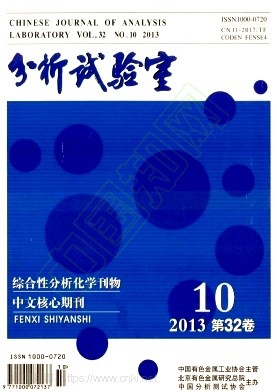
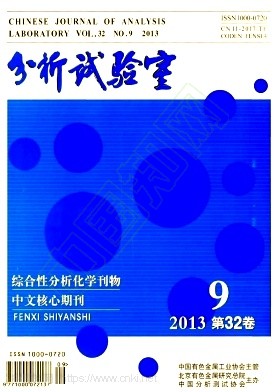
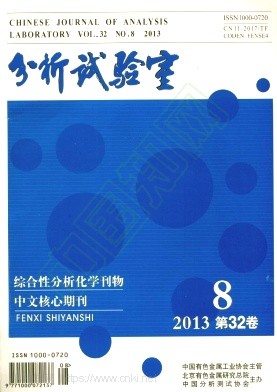
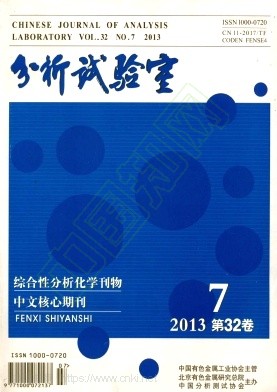
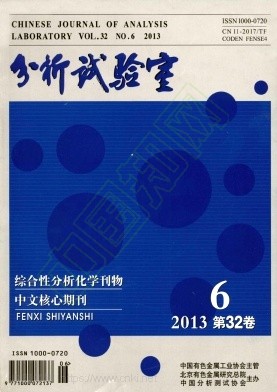
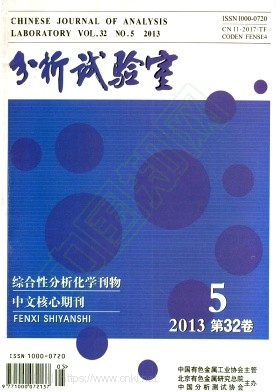
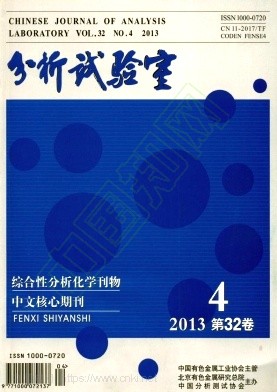
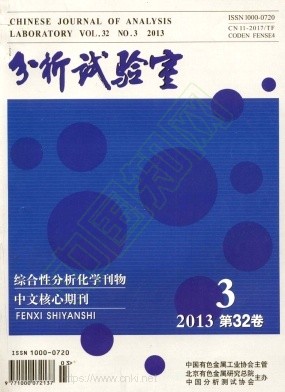
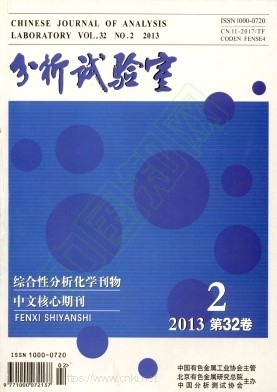
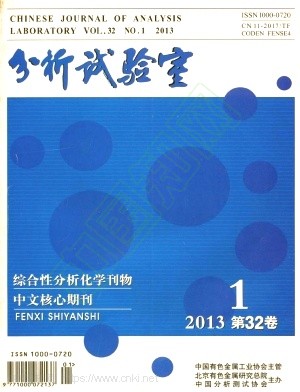
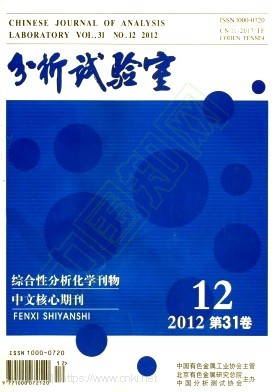
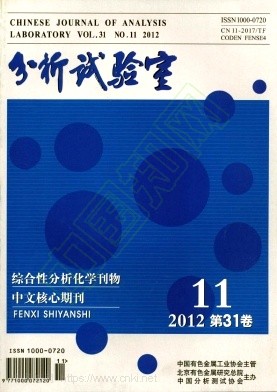
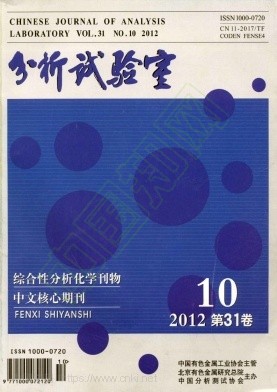
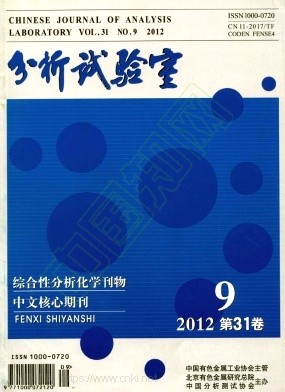
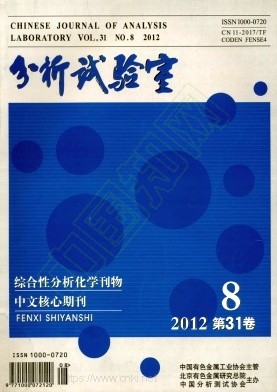
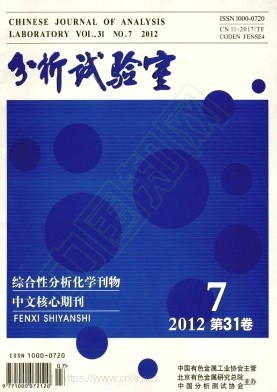
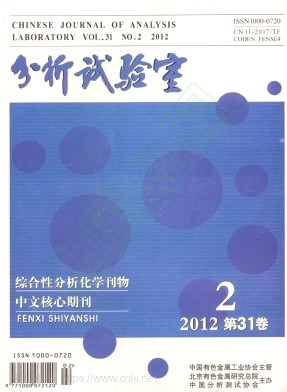
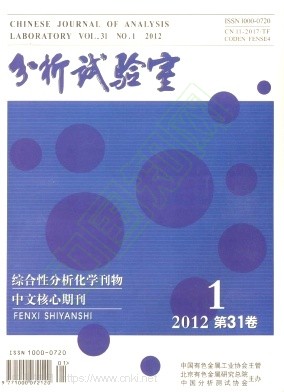
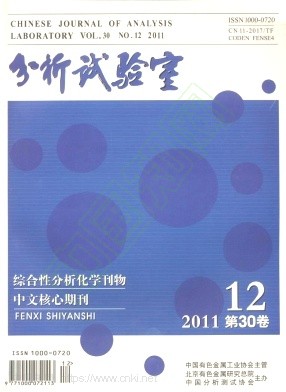
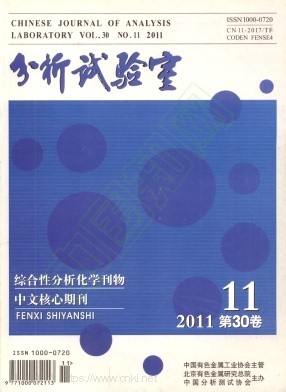
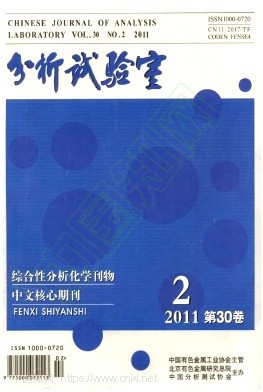
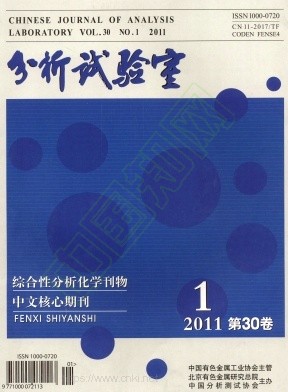
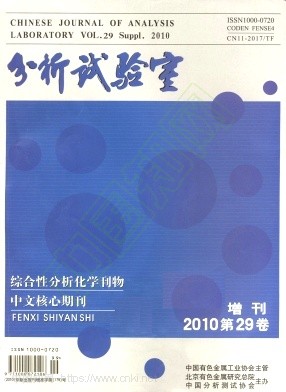
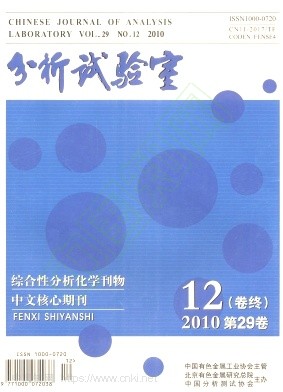
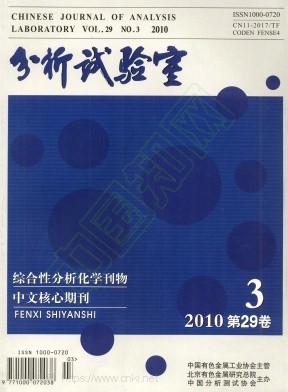
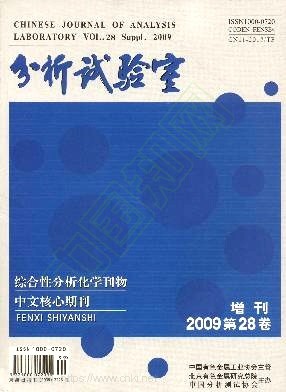
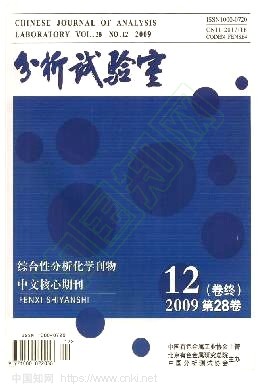
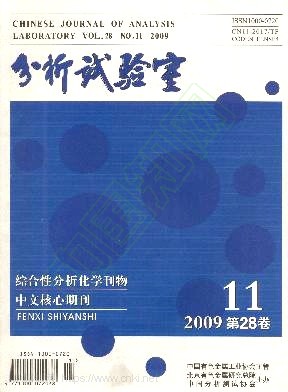
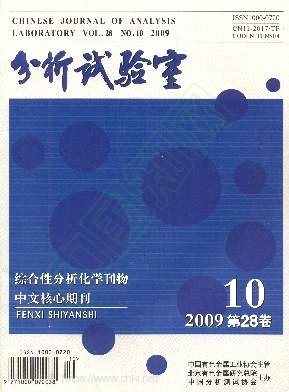
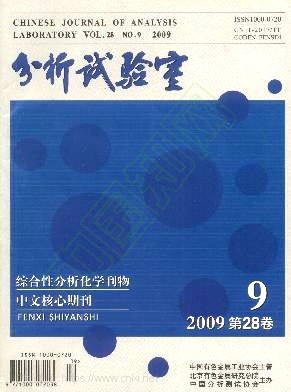
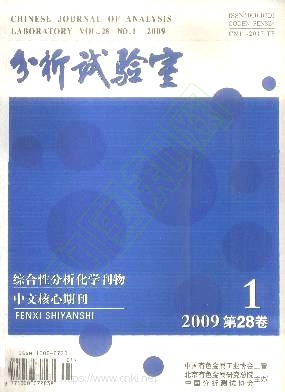
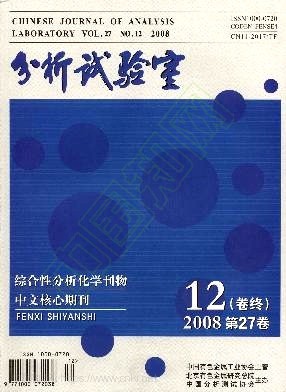
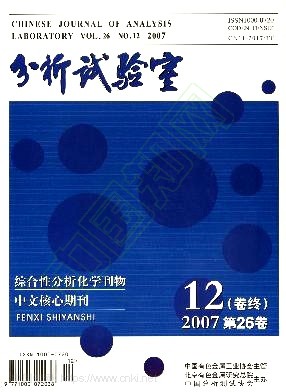
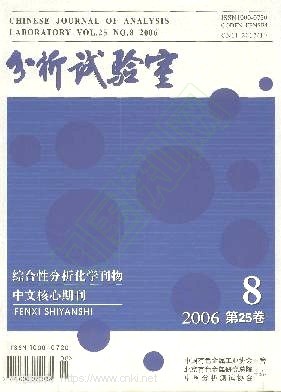
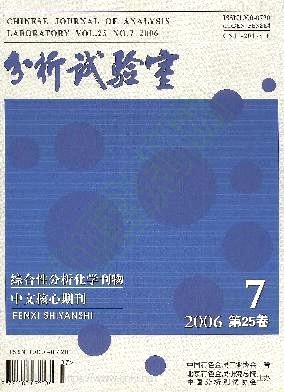
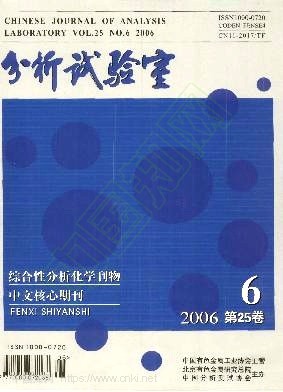
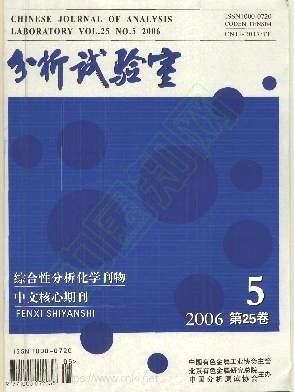
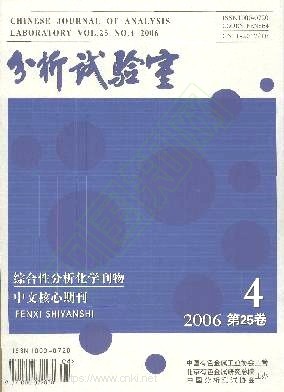
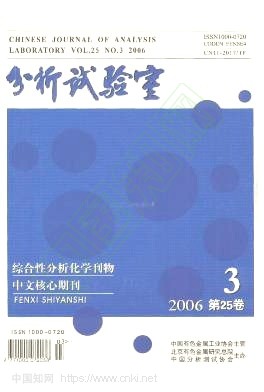
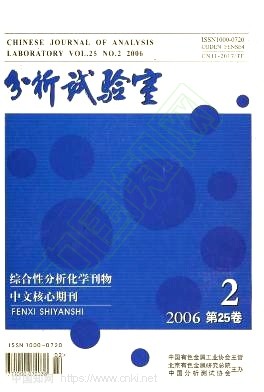
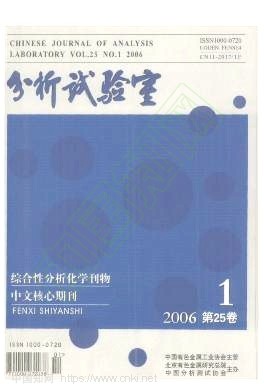
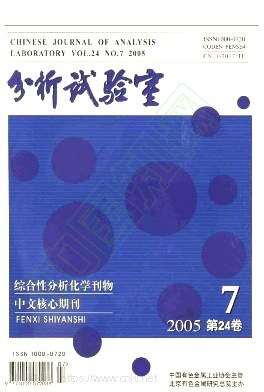
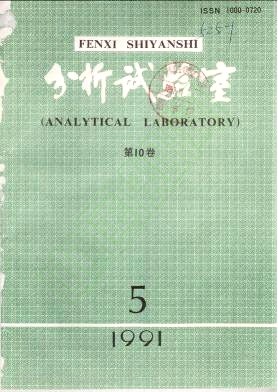
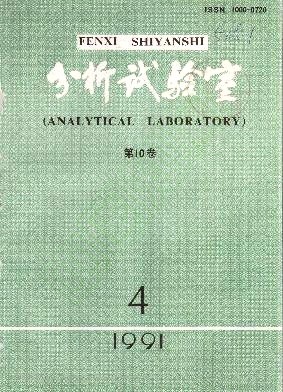
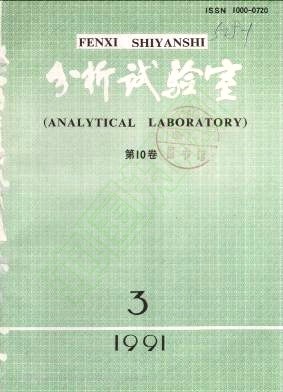
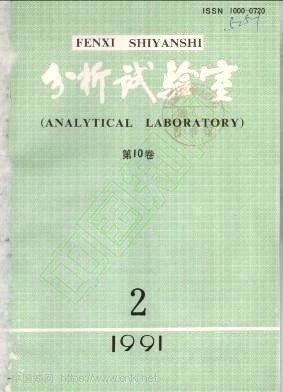
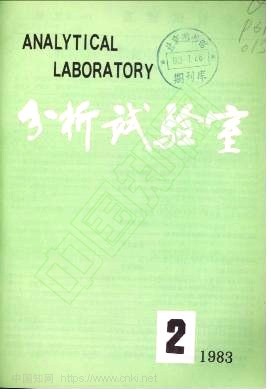
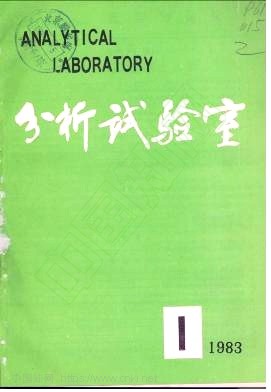
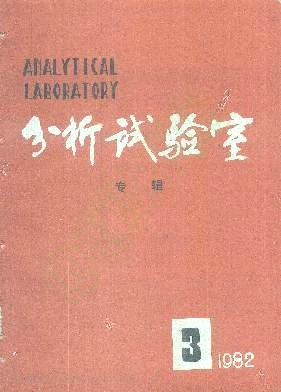
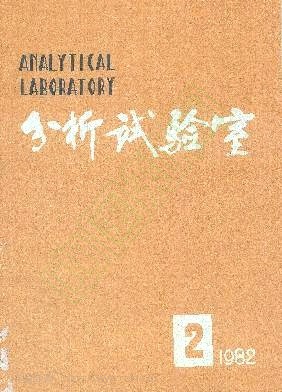
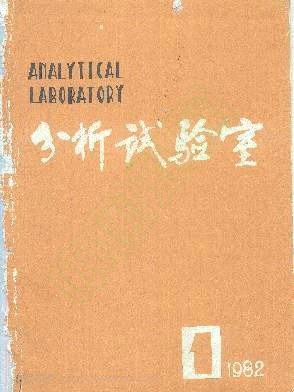
Journal:Chinese Journal of Analysis Laboratory
Establishment Year: 1982
Publication No: ISSN 1000-0720,CN11-2017/TF
Administrator: China Association for Science and Technology
Sponsor: The Nonferrous Metals Society of China; China GRINM Group Co., Ltd.
Editor and Publisher: Youke Publishing Co., Ltd.
Periodicity: Monthly
Tel: +86-10-82013328
E-mail: analysislab@263.net
Publication No: ISSN 1000-0720,CN11-2017/TF
Chinese Journal of Analysis Laboratory is a comprehensive academic journal with peer review, published monthly in Chinese, administrated by China Association for Science and Technology, and sponsored by The Nonferrous Metals Society of China and China GRINM Group Co., Ltd., and published by Youke Journal Publishing (Beijing) Co., Ltd. It is incorporated by PKU Core Journal List, source of Chinese Scientific and Technical Papers and Citation Database, source of Chinese Science Citation Database, and included in the World Journal Impact Index (WJCJ) report. Internationally, Chinese Journal of Analysis Laboratory is indexed by Engineering Index(EI), Chemistry Abstract (CA), and JICST, etc.[More]
Identification and treatment of academic misconduct
In order to protect the right of readers and authors and to maintain the quality and reputation of this journal, Chinese Journal of Analysis Laboratory will test and screen each manuscript strictly in the process of publication. The manuscript will be rejected and punished seriously if it is identified as academic misconduct. The specific testing process and treatment methods are as follows:
1. This journal adopts academic misconduct detection system of CNKI for automatic detection, and the China Literature Journals Full-text Database is used as the comparative database, which test academic misconduct behaviors such as paper copy and plagiarism, forgery, tampering, improper attribution, a draft casting two or more journals, etc.
2. The range of detection
1) All papers that have been received;
2) The papers that are accused with plagiarism by readers
The academic misconduct detection system of CNKI is used to detect the duplication rate of the manuscript. The manuscript and the comparative one will be submitted to reviewers who will determine the repetition nature and form if the duplication rate is up to or exceeds 15%. Reviewing experts will give advice about how to deal with this issue.[More]
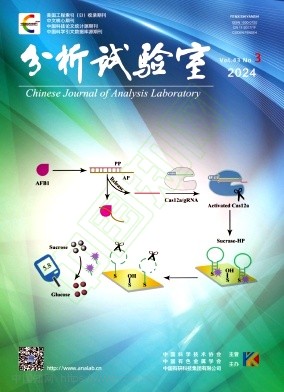
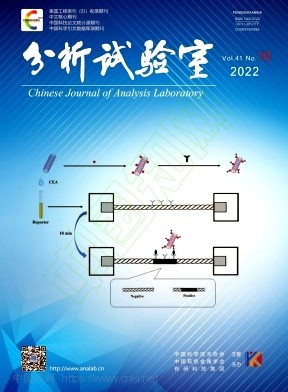
Detection of DNA chemical methylation damage using lateral flow strips based on DNA repair enzymes
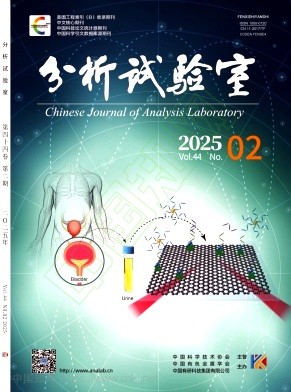
YOU Hongting;SHI Sanjun;HUANG Rongfu;FAN Ziyan;CHE Jiangtao;WANG Lei;A sensor that can rapidly and quantitatively detect DNA chemical methylation damage without labels was proposed by utilizing DNA repair enzymes for recognition and lateral flow strips(LFS). This sensing strategy introduced alkyladenine DNA glycosylase(hAAG) and human apurinic/apyrimidinic endonuclease 1(APE 1), which could convert the damaged DNA into broken strands. Then, the gold nanoparticle(AuNPs) complexes bound to DNA could be captured on the test line(T line), displaying an obvious red color. In addition, the average gray value of the optical density in the T line area was analyzed using a mobile phone camera and Image J software to quantify the methylation damage to DNA caused by methyl methanesulfonate(MMS). Under the optimized experimental conditions, the prepared biosensor can detect the methylation damage caused by MMS at a minimum concentration of 1 mmol/L. This biosensor has realized the detection of DNA methylation damage, exhibiting substantial application potential in the evaluation of the genotoxicity induced by chemical pollutants.






Progress in fluorescent sensors for palladium detection
Meng Liping;Li Lianqing;This article reviews the palladium (Pd) fluorescent probes reported in recent years, classified according to reaction mechanisms as coordination-based and reaction-based types. The recognition mechanisms of palladium, design characteristics of probes, and practical applications are also analyzed, providing reference for the future development of fluorescent probes with specific responses.
[Downloads: 27 ] [Citations: 0 ] [Reads: 6 ] HTML PDF Cite this article
Determination of aluminum ion by hydrogen peroxide-mediated polydopamine fluorescent probe
WANG Dongxin;YU Liping;QIAO Zengjie;LIU Wen;This study developed a rapid detection method for aluminum ion (Al3+) based on water-soluble fluorescent poly(dopamine) (FPDA). At room temperature, water-soluble FPDA was synthesized via a one-pot method. Leveraging its fluorescence enhancement properties upon Al3+ binding, a novel fluorescent sensing platform for rapid Al3+ detection was established. O-Phenylenediamine was employed to mask interference from Fe2+/Fe3+ in samples, enhancing the method's selectivity. Results demonstrated a good linear relationship between Al3+ concentration (0.2–40.0 μmol/L) and FPDA fluorescence intensity. The detection limit reached 0.12 μmol/L, with spiked recovery rates ranging from 97.4% to 103.0% and relative standard deviations below 1%. This method is suitable for rapid quantitative detection of Al3+ in water bodies.
[Downloads: 87 ] [Citations: 0 ] [Reads: 10 ] HTML PDF Cite this article
Simultaneous rapid detection of four major phenylethanoid glycosides in Cistanche based on digital image processing of thin-layer chromatography
BAI Yawen;JI Shuyi;LI Qinqin;Nurmammat·Kader;JI Kunfeng;LI Hai;SHEN Jing;YAO Jun;A digital image-based thin-layer chromatography (TLC) analysis method was developed for the rapid, simple, and low-cost detection of four major phenylethanolic glycosides in Cistanche. The four target compounds were extracted using 50% methanol. A mobile phase consisting of methanol chloroform, glacial, acetic acid, and water (3.5:1.5:1:7) was used for TLC development, and spot images were captured under 365 nm ultraviolet light. The spots were integrated and analyzed using ImageJ software, enabling rapid quantitative analysis based on grayscale values. The linear correlation coefficients (r) obtained by this method were 0.9974, 0.9931, 0.9923 and 0.9890, respectively. The spiked recovery rates for echinacoside, tubuloside A, acteoside, and isoacteoside in Cistanche were 87.1% -96.5%, 88.4% -109.7%, 94.1% -105.1%, and 97.0% -115.1%, respectively. The quantitative results of the established method were basically consistent with those obtained by high-performance liquid chromatography (HPLC). This digital image processing method based on TLC provides a fast and accurate method for determining the contents of four phenylethanolic glycosides in Cistanche.
[Downloads: 124 ] [Citations: 0 ] [Reads: 12 ] HTML PDF Cite this article
Simultaneous determination of five kinds of cyanotoxins in drinking water by direct injection-hydrophilic interaction- liquid chromatography-tandem mass spectrometer
QIU Fengmei;FANG Li;A method for quantitative analysis of five kinds of cyanotoxins (Microcystin-LR (MC-LR), Cylindrospermopsin (CYN), Nodularin (NOD), Anatoxin-a (ATX-a), and Lyngbya wollei toxin (LWTX-1)) in drinking water was established by utilizing liquid chromatography coupled with triple quadrupole mass spectrometry. The water sample was collected and filtered through a 0.22 μm polyethersulfone filter membrane, the targets were separated on an Acquity UPLC BEH Amide column with the mobile phases of 5 mmol/L ammonium formate aqueous solution with 0.1% formic acid and acetonitrile, and determined in selected reaction monitoring (SRM) mode via positive electrospray ionization. Quantitative analysis was performed using the external standard method. The five cyanotoxins showed good linearity in the concentration range of 0.2-10.0 μg/L, with the correlation coefficients higher than 0.998. The limits of detection and limits of quantitation of five cyanotoxins based on 3 and 10 signal-to-noise (S/N) ratios were 0.03-0.06 μg/L and 0.1-0.2 μg/L, respectively. The inter- and intra-day recoveries of five cyanotoxins were 83.6%-107.8% and 85.6%-107.8%, respectively, as the samples were spiked at four levels of 0.2, 0.5, 2, and 5 μg/L. Both the inter-day and intra-day relative standard deviations (RSDs ) were lower than 13%. The method can satisfy the requirements of emergency testing and routine monitoring of cyanotoxins in source water and drinking water.
[Downloads: 57 ] [Citations: 0 ] [Reads: 9 ] HTML PDF Cite this article
Research progress on the application of gas chromatography-ion mobility spectrometry technology in flavor evaluation of condiments
HOU Meiling;BAI Yamin;Gas chromatography-ion mobility spectrometry (GC-IMS) has demonstrated significant value in condiment flavor analysis due to its advantages of high sensitivity, rapid analysis, and no requirement for complex sample preparation. This review systematically summarizes the innovative applications of GC-IMS in condiment flavor research, with a particular focus on its breakthrough progress in elucidating the multidimensional flavor formation mechanism spanning from raw materials - processing to final flavor characteristics. Studies have shown that GC-IMS not only enables dynamic monitoring of fermentation processes such as soy sauce and vinegar but also reveals the formation mechanisms of key flavor compounds through multi-technology integration. In the analysis of spices and compound condiments, this technology has successfully achieved the quantification of spiciness levels, resolution of flavor contributions, and quality control of products. Furthermore, GC-IMS has provided a scientific basis for process optimization and origin identification in aquatic condiment research. Although challenges remain in database completeness and quantitative analysis, GC-IMS is expected to play a more important role in food flavoromics and intelligent quality control with the development of instrument miniaturization and artificial intelligence technologies. This review provides new research perspectives for understanding the flavor formation mechanisms of condiments and offers important guidance for advancing the development of food flavor science.
[Downloads: 74 ] [Citations: 0 ] [Reads: 9 ] HTML PDF Cite this article
Determination of isocyanate group in polyurethane by "di-n-Butylamine-Acetone" method
XIONG Jun,SUN Fang* and DU Hong-guang(College of Science,Beijing University of Chemical Technology,Beijing 100029),Fenxi Shiyanshi,2007,26(8): 73~76As a solution,toluene and isopropanol are replaced by acetone to determine isocyanate group in polyurethane.The RSD of the method is 0.35%~0.48%,and the recoveries is 95.07%~102.30%.The experimental results of FTIR show that the solution system is steady in one day,and it can satisfy the demands of relative analysis.The method is accurate,simple and low cost compared to the traditional "di-n-butylamine-toluene" method.
Investigation on the determination of lignocellulosics components by NREL method
ZHANG Hong-man1,ZHENG Rong-ping1,CHEN Jing-wen2 and HUANG He2(1.College of Science,Nanjing University of Technology,Nanjing 210009; 2.College of Life Science and Pharmaceutical Engineering,Nanjing University of Technology,Nanjing 210009)The experimental conditions of National Renewable Energy Lab (NREL) method for quantifying cellulose,hemicellulose and lignin of lignocellulosics had been investigated in detail.It was showed that the cellulose and semicellulose of corn stover could be degraded to mono-sugars quantified by HPLC under the condition of 72% concentrated sulphuric acid treating 1 h and 4% dilute acid treating 45 min with the appropriate amount of 0.5 g of sample.Meanwhile,the determination results of cellulose,hemicellulose and lignin obtained by NERL method were simultaneously compared those that by national standard method,and the results exhibited no remarkable differences.The contents of cellulose,hemicellulose and lignin of corn determined by NREL method were 33.90%,23.89 % and 15.84% respectively.
Advances on SPE-chromatography in China in recent two years
FU Ruo-nong(Department of Chemistry,Beijing Institute of Technoligy,Beijing 100081)In this paper the advances in SPE-chromatography devoted by chinese scientists in China,were described.This review is divided 10 parts.1.Reviews of SPE published in recent two years;2.Application of SPE-chromatography in analysis of meat products and milk products;3.Application of SPE-chromatography in analysis of a variety of water samples;4.Application of SPE-chromatography in analysis of injurants in vegetable and fruit;5.Application of SPE-chromatography in analysis of injurants in corn and the other foodstuffs;6.Application of SPE-chromatography in analysis of drugs in blood and body fluid;7.Application of SPE-chromatography in analysis of medicament;8.Aplication of SPE-chromatography in analysis of the other chemicals;9.Application of matrix solid-phase dispersion in chromatography;10.Application of molecular imprinting SPE in sample pretreatment.
Development of solidphase microextraction(SPME) in recent years
FU Ruo-nong;In chemical analysis,sample preparation is frequently considered the bottleneck of the entire analytical method.In the last two decades,the introduction of solid phase microextraction(SPME) has brought significant progress in the sample preparation area by facilitating on-site and in vivo applications.In this review the advances of SPME in recent year was introduced.It was worth to present that recently introduced matrix compatible coatings for SPME facilitate direct extraction from complex matrices.
Simultaneous determination of total nitrogen and organic carbon in soil with an elemental analyzer
WANG Qiao-huan;REN Yu-fen;MENG Ling;LI Hong;FU Hui-min;WANG Hua-feng;By studying the removing effect of inorganic carbon from soil,a method for soils of different pH pretreated using different methods was established,and simultaneous determination of total nitrogen(TN) and organic carbon(OC) in the soil with an elemental analyzer(EA) was achieved.The results showed that the TN and OC of acid soils could be directly measured with elemental analyzer(EA),but the inorganic carbon should be removed completely from the alkaline soil with 1mol / L hydrochloric acid before measurement with EA.The relative standard deviations(RSD) of TN were in the range of 0.34%-3.8%,the average was 1.9%,and the detection limit was 0.018g / kg for the EA method;the RSD of OC were in the range of 0.12%-5.0%,the average was 1.4%,and the detection limit was 0.061g / kg for the EA method.The precisions of EA method for the determination of soil TN and OC were higher than those by the traditional method--Kjeldahl method and volumetric method.
Advances on SPE-chromatography in China in recent two years
FU Ruo-nong(Department of Chemistry,Beijing Institute of Technoligy,Beijing 100081)In this paper the advances in SPE-chromatography devoted by chinese scientists in China,were described.This review is divided 10 parts.1.Reviews of SPE published in recent two years;2.Application of SPE-chromatography in analysis of meat products and milk products;3.Application of SPE-chromatography in analysis of a variety of water samples;4.Application of SPE-chromatography in analysis of injurants in vegetable and fruit;5.Application of SPE-chromatography in analysis of injurants in corn and the other foodstuffs;6.Application of SPE-chromatography in analysis of drugs in blood and body fluid;7.Application of SPE-chromatography in analysis of medicament;8.Aplication of SPE-chromatography in analysis of the other chemicals;9.Application of matrix solid-phase dispersion in chromatography;10.Application of molecular imprinting SPE in sample pretreatment.
Advances on gas chromatography in China
FU Ruo nong (Department of Chemistry, Beijing Institute of Technology, Beijing 100088),Fenxi Shiyanshi,2003,22(2):94~107In this paper the advances in gas chromatography devoted by chinese scientists in mainland, Hongkong or Taiwan were described. The main points of gas chromatographic investigation in China was similar to the circumstance in the other countries. The topics of studies were focused on comprehensive two dimensionalgas chromatography, fast gas chromatography, micro scale gas chromatograph, new stationary phases, and sol gel gas chromatographic column technology. The application of gas chromatography in the medicament analysis,foodstuf analysis, environmental analysis, petroleum analysis and chemicals as well as polymer analysis was reviewed.
The advances of gas chromatography in recent two years
Fu Ruo-nong(Depertment of Chemistry,Beijing Institute of Technology)In this paper,the advances in gas chromatography(GC)and its application devoted in recent two years by chinese scientists in mainland were reviewed.The main points of gas chromatographic investigation in China was similar to the circumstance in the other countries.Only a little basic studies on GC appeared in this period.The topics of studies were focused on the application of GC in a variety of industry,involving foodstuf analysis,medicament analysis,environmental analysis,petroleum and petroleum chemicals analysis,as well as tobacco analysis.
Progress and applications in electrochemical analysis
LI Yi-jun,CHANG Zi-dong and HE Xi-wen(College of Chemistry,Nankai University,Tianjin 300071)The progress and applications in electrochemical analysis in China during the period from January 2005 to March 2007 was reviewed.The review contains the following subjects: polarography and voltammetry;micro,supermicro electrodes and chemically modified electrodes;ion-selective electrodes and chemical sensors;oscillography;electrophoresis and chromatography electrochemistry;spectroelectrochemistry;electroluminescence;quartz crystal microbalance;chemometrics;instruments and other techniques.A total of 561 references are cited.
Investigation on the determination of lignocellulosics components by NREL method
ZHANG Hong-man1,ZHENG Rong-ping1,CHEN Jing-wen2 and HUANG He2(1.College of Science,Nanjing University of Technology,Nanjing 210009; 2.College of Life Science and Pharmaceutical Engineering,Nanjing University of Technology,Nanjing 210009)The experimental conditions of National Renewable Energy Lab (NREL) method for quantifying cellulose,hemicellulose and lignin of lignocellulosics had been investigated in detail.It was showed that the cellulose and semicellulose of corn stover could be degraded to mono-sugars quantified by HPLC under the condition of 72% concentrated sulphuric acid treating 1 h and 4% dilute acid treating 45 min with the appropriate amount of 0.5 g of sample.Meanwhile,the determination results of cellulose,hemicellulose and lignin obtained by NERL method were simultaneously compared those that by national standard method,and the results exhibited no remarkable differences.The contents of cellulose,hemicellulose and lignin of corn determined by NREL method were 33.90%,23.89 % and 15.84% respectively.